Integrating Stranding Response & Rehabilitation into Sea Turtle Conservation Programs
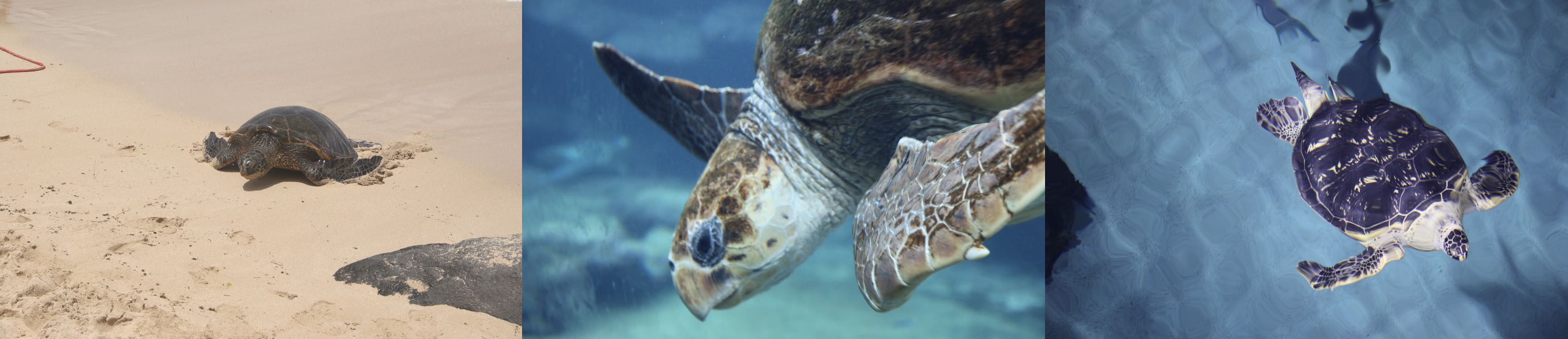
For over 100 million years sea turtles have swum in our oceans, surviving everything from mass extinctions to dramatic shifts in climate. Today, however, their survival depends on our ability to address modern threats: habitat loss, pollution, vessel strikes, fishing bycatch, and domestic dog attacks on nesting beaches. The veterinary response to strandings and injuries, even where available, can be limited due to resource constraints. But as this article shows it is a vital piece of the full conservation puzzle.
Last month’s WAVMA webinar spotlighted the veterinary response to sea turtle stranding with particular focus on dog attacks and the appropriate clinical/surgical response. Additionally, it explored how stranding response and rehabilitation can be integrated into broader conservation programs. Helping sea turtle populations not only survive individual crises but developing the necessary environments to increase turtle populations.
Linking Conservation and the Veterinary Response
When a turtle is found stranded, whether weakened by illness, entangled in fishing gear, or wounded by predators, it represents more than just an animal in need of veterinary care. Each case provides data that veterinarians and conservationists can use to understand population health, emerging threats, and the effectiveness of protective measures.
For example:
- Nesting beach protection reduces encounters with dogs, but when bites still occur, detailed veterinary records can help guide community education and beach management.
- Water quality monitoring can be paired with clinical findings (e.g., heavy metal toxicity or fibropapillomatosis prevalence) to strengthen arguments for cleaner coastal zones.
- Citizen reports of strandings not only enable rescues but also contribute to long-term datasets tracking regional turtle abundance and threats.
Not only are the above important actions for conservation, but they’re also integral to our understanding of the fuller picture.
Choosing the Right Path: Rehabilitation vs. Release in Place
Not every turtle found on the beach is a candidate for, or requires, rehabilitation. Issues can range from mild exhaustion after nesting, requiring only monitoring before returning to the sea. At the other extreme, suffering catastrophic injuries where they may not survive transport or extended care. Volunteers and veterinarians often must make hard choices due to limited time and resources.
Rehabilitation facilities use several criteria to guide decision-making:
- Severity of injuries or illness
- Likelihood of full recovery and return to wild function
- Stress of transport, especially from remote areas
- Resource availability and ethical considerations
By triaging individual cases, veterinary responders can maximize the use of limited resources Dedicating resources to turtles with a strong chance of survival, while avoiding unnecessary suffering in hopeless cases.
The Metrics of Success
It’s tempting to judge success simply by the number of turtles released. But conservation programs must address tougher questions:
- Do rehabilitated turtles survive long-term? Answer: Yes
- Do they return to natural migratory and nesting behaviors? Answer: Yes
- Are they contributing to population recovery? Answer: Yes
Satellite tagging and post-release monitoring are becoming more common, allowing scientists to follow rehabilitated turtles as they navigate the oceans, where their feeding grounds are, and their return to nesting beaches. This data helps transform individual rescues into evidence-based conservation strategies. The data increasingly demonstrates that these measures work.
Building Capacity in the Right Places
Effective turtle rehabilitation requires more than skilled veterinarians. It encompasses an entire network of individuals and facilities:
- Facilities equipped for long-term turtle care. Considerations include proximity to beaches, transportation of people to and turtles from, appropriate design.
- Supply chains for medications, fluids, and specialized equipment. Appropriate medications can be difficult to source in some countries.
- Trained responders in coastal communities – local volunteers who can provide a “first response”.
- Available Transport that ensures stranded turtles can be safely moved to care centers
In regions with limited resources, partnerships can make all the difference. Regional hubs can share protocols, staff expertise, and even equipment between local groups. Online training modules and telemedicine consultations can help bridge knowledge, experience and geographic gaps.
Data as part of Conservation
Every stranding case is an opportunity to collect valuable data. With standardized recording protocols, veterinary teams can contribute to:
- Disease mapping (e.g., prevalence of fibropapillomatosis across regions)
- Threat assessments (e.g., hotspots for entanglement or dog predation)
- Policy advocacy (using hard numbers to push for leash laws or protected zones)
Sharing findings through publications, databases, and collaborations with universities ensures that lessons from “the clinic” inform global conservation action.
Prevention Starts with the Community
Ultimately, the best rehabilitation is prevention. Communities living near turtle habitats play a central role:
- Responsible dog ownership—leash laws, fencing, and education reduce predation events.
- Control of feral dog populations through neutering schemes, rehoming etc.
- Beach patrols and citizen science projects empower locals to report strandings early, improving survival odds.
- Awareness campaigns help shift attitudes, turning coastal residents into turtle stewards.
Municipal planners and policymakers also have a role, from zoning decisions that limit beachfront lighting to enforcing protections in critical nesting areas.
Narratives that can Inspire
Behind the protocols and policies are remarkable individual stories. A turtle mauled by dogs, treated and nursed back to health, returning to the ocean months later. A juvenile freed from fishing line by local fishers who attended a conservation workshop learning that turtles contribute to increased commercial fish stocks by maintaining healthy marine ecosystems. For example, by regulating seagrass beds which offer vital habitat for many species of fish.
These and other narratives remind us why we do the work, it can galvanize communities, inspire donors, and confirm that veterinary interventions has ripple effects far beyond a single animal.
Sea turtle conservation is not simply about protecting nests or rescuing stranded individuals. It is about creating an integrated system where veterinary care, community engagement, scientific research, and policy all reinforce one another. Stranding response and rehabilitation are vital threads in a cohesive whole. With “the whole” benefiting all the community.