Bridging Science and Practice: Why Tilapia Welfare Assessment Matters to Aquatic Veterinarians
Author: WAVMA Communications Committee. Based on a full paper published in TAV 20 (1) by by Wasseem Emam of Ethical Seafood Research
Welfare assessment in Nile tilapia farming has evolved from a theoretical concept into a practical necessity. For aquatic veterinarians working in warm-water aquaculture, understanding how to measure and improve fish welfare is now central to effective health management, disease prevention, and farm sustainability.
Beyond veterinary practice, structured welfare assessment provides producers with a transparent, data-driven way to meet growing consumer expectations, regulatory standards, and certification requirements while improving productivity.
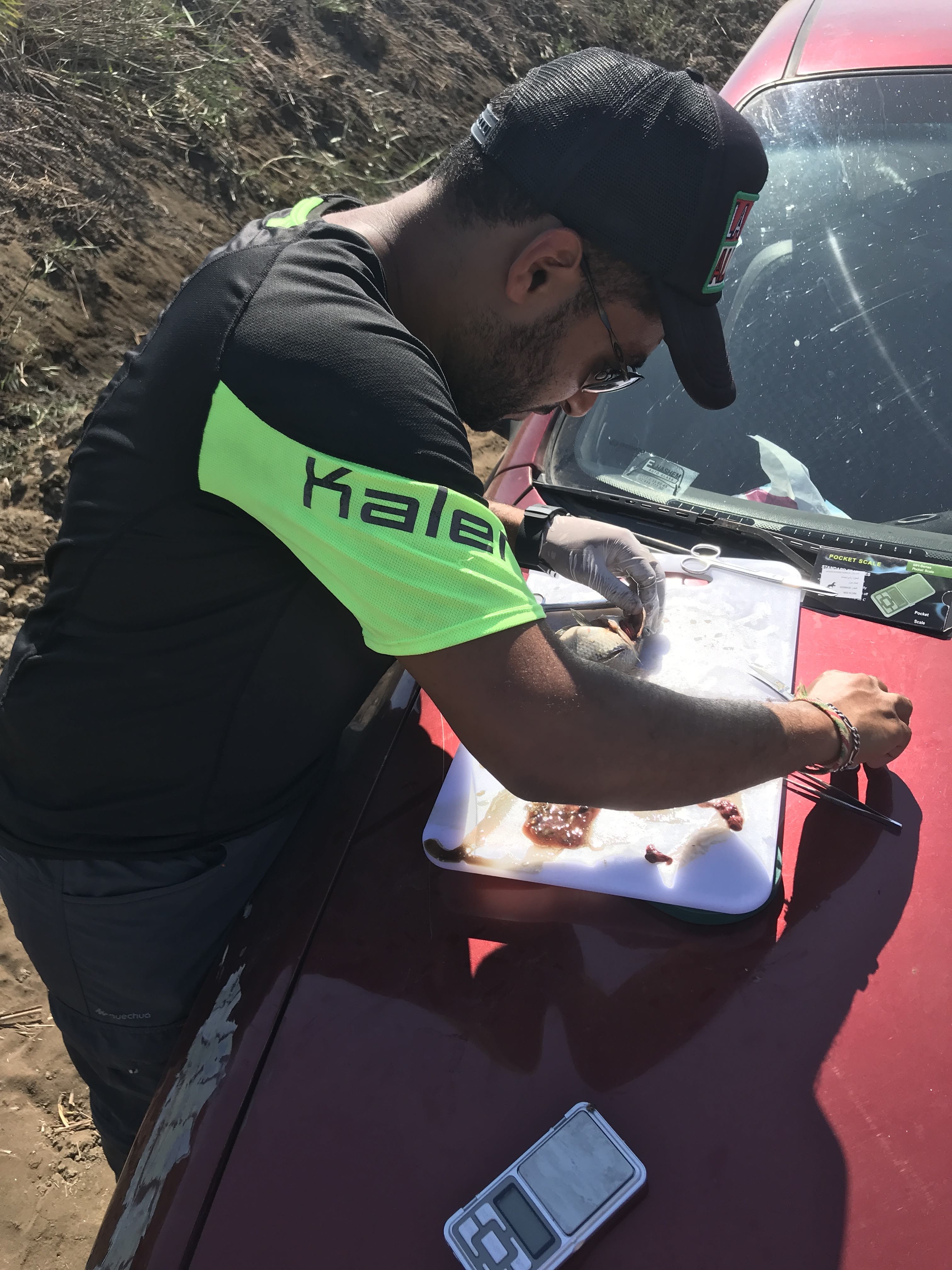 The Clinical Case for Welfare Assessment
Fish welfare and health are closely linked. Poor environmental conditions such as low oxygen, high ammonia, and temperature stress do more than cause discomfort. They weaken immune function, increase disease risk, and reduce growth.
Chronic stressors like overcrowding or aggression elevate cortisol levels, suppressing disease resistance and slowing recovery. In contrast, farms that implement structured welfare monitoring often see better outcomes, including lower mortality and improved growth.
For veterinarians, welfare indicators act as early warning signs. Changes in fin condition, body condition, or behaviour often appear before disease outbreaks. Integrating welfare assessment into routine visits allows a shift from reactive treatment to proactive health management, aligning with One Health and One Welfare principles.
The Five Domains Framework
The Five Domains Model provides a practical structure for assessing welfare:
- Nutrition: feed access and body condition
- Environment: water quality, density, habitat
- Health: disease, injury, stress
- Behaviour: social interactions and natural behaviours
- Mental state: inferred from the above factors
In practice, most farm assessments focus on the first four domains, which are measurable. Welfare is typically scored on a simple three-point scale:
- Good: optimal conditions
- Moderate: some compromise
- Poor: urgent intervention required
This approach helps veterinarians prioritise action, monitor progress, and communicate clearly with farm teams.
Key Welfare Indicators
Health Indicators
Many familiar clinical signs become more powerful when used systematically:
- Fin condition: damage signals aggression or poor handling
- Body condition: reflects nutrition and environmental stress
- Gill health: indicates water quality issues or parasites
- Eye and jaw condition: impacts feeding and survival
- Parasite load: requires regular monitoring
Sudden increases in mortality or poor growth should always trigger further investigation.
Environmental Indicators
Water quality is the most critical factor in tilapia welfare:
- Dissolved oxygen: should remain above 5 mg/L
- Ammonia: ideally below 1 mg/L
- pH: best between 7 and 8
- Temperature: optimal range is 27–30°C
- Stocking density: must balance space and productivity
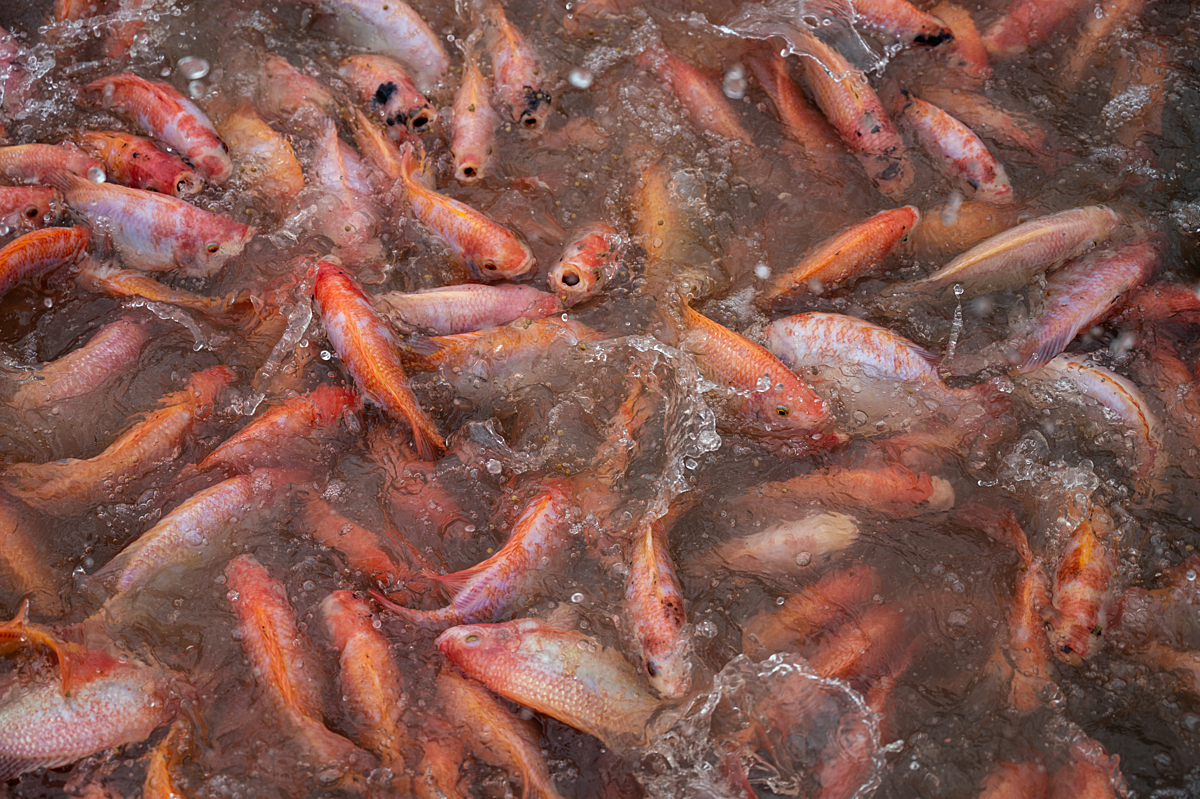 Both overcrowding and understocking can cause problems, from stress to increased aggression.
Nutritional Indicators
Nutrition directly affects welfare and performance:
- Feed quality: must match life stage requirements
- Feeding behaviour: reduced appetite signals stress
- Feed conversion ratio (FCR): high values indicate inefficiency or health issues
Poor nutrition often presents as slow growth, weak condition, and higher disease susceptibility.
Behavioural Indicators
Behaviour is one of the earliest signs of welfare issues:
- Swimming patterns: lethargy or surface gulping indicates stress
- Aggression: leads to injury and chronic stress
- Handling responses: reflexes can indicate stress and consciousness levels
Understanding species-specific behaviour is essential for accurate interpretation.
Harvest and Slaughter: A Critical Welfare Stage
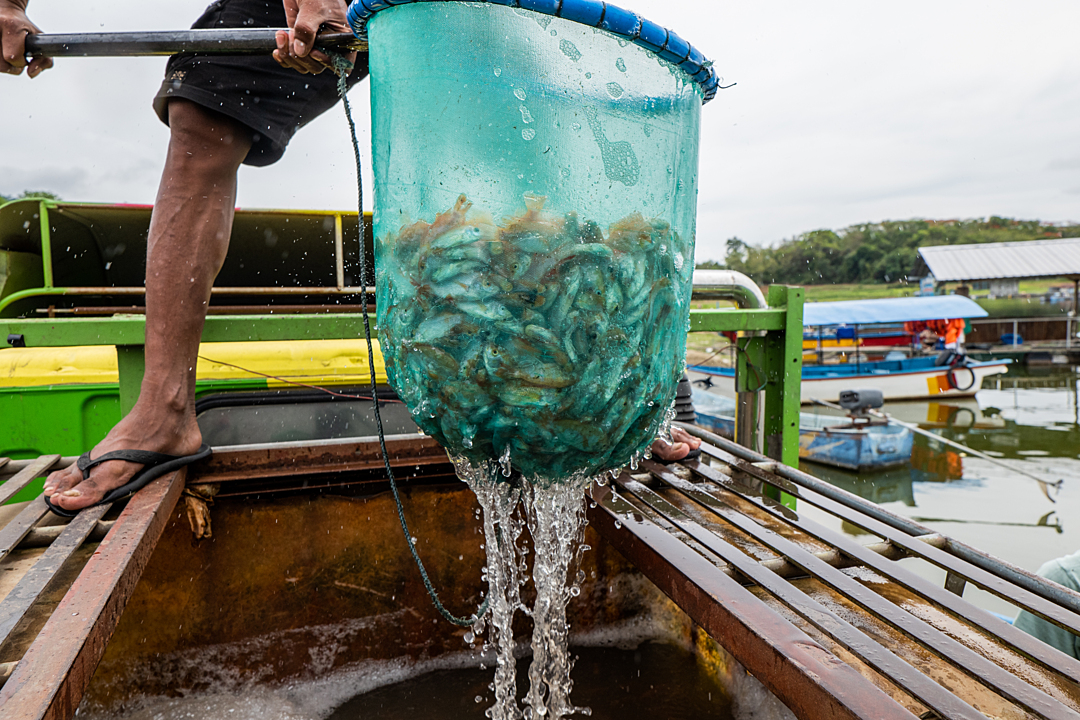 Harvest and slaughter present the most severe welfare challenges. Crowding, netting, and air exposure can cause extreme stress and injury, often lasting for hours.
In many systems, stunning practices remain inadequate. Methods like live chilling or slaughter without prior stunning can result in prolonged suffering and reduced meat quality.
Research shows that percussive stunning is the most effective method for immediate unconsciousness, while properly calibrated electrical stunning is also acceptable. Promoting humane slaughter methods is both an ethical responsibility and a practical way to improve product quality.
Practical Steps for Veterinarians
To implement effective welfare assessment:
- Use structured protocols based on the four measurable domains
- Monitor water quality daily, especially oxygen and ammonia
- Regularly assess body condition and fin health
- Optimise stocking density to reduce stress and aggression
- Harvest before sexual maturity to minimise fighting
- Reduce handling stress during harvest
- Advocate for humane stunning methods
- Use digital tools to track and improve welfare
- Train farm staff on species-specific needs
- Integrate welfare into overall health management plans
These steps support a shift toward preventative, data-driven veterinary practice.
Tools and Resources
Several tools support practical implementation:
- FAI Tilapia Welfare App: guides assessments and tracks progress
- Online training modules: provide structured learning
- WAVMA webinars: offer practical guidance and case studies
- Peer-reviewed protocols: supply validated methodologies
These resources make welfare assessment more accessible and standardised across farms.
A One Welfare Perspective
Improving tilapia welfare benefits more than just the fish. It contributes to:
-
- Safer working conditions for farm staff
- Reduced environmental impact
- Improved food security
- Better product quality and traceability
In regions where tilapia is a key protein source, welfare-focused farming supports both livelihoods and nutrition.
From Theory to Veterinary Practice
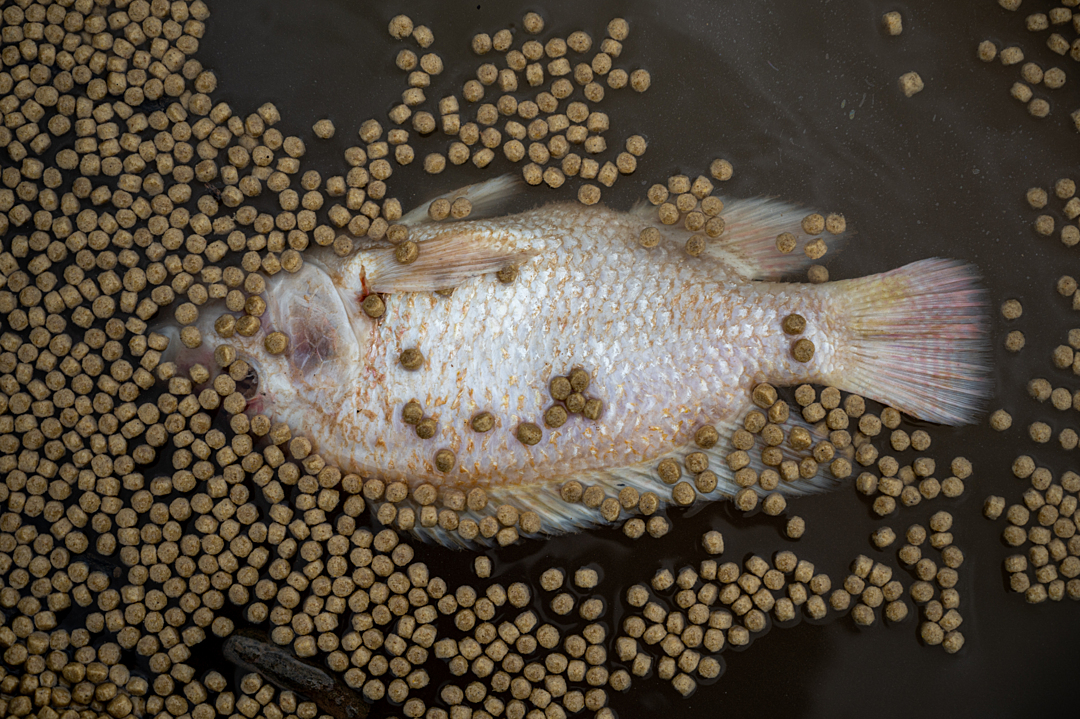 Welfare assessment should be a core component of modern aquaculture globally. For aquatic veterinarians, it represents an opportunity to lead meaningful change across animal health, sustainability, and food systems.
The tools and knowledge already exist. The challenge now is consistent, widespread adoption.
By embedding welfare into everyday practice, veterinarians can help build a more resilient and responsible aquaculture industry.
Pictures courtesy of Ethical Seafood Research
This blog is based on a full paper published in The Aquatic Veterinarian (TAV 20(1)) and available from the WAVMA Website. Current access is restricted to WAVMA members only, but will become freely available after one year. The full paper is by Wasseem Emam of Ethical Seafood Research. His WAVMA webinar on the topic can be found here. WAVMA’s WebCEPD page has over 150 webinars on various aquatic veterinary medicine topics from the basics to cutting edge research.