B-1100: Fish-borne zoonotic trematodes in fisheries and aquaculture
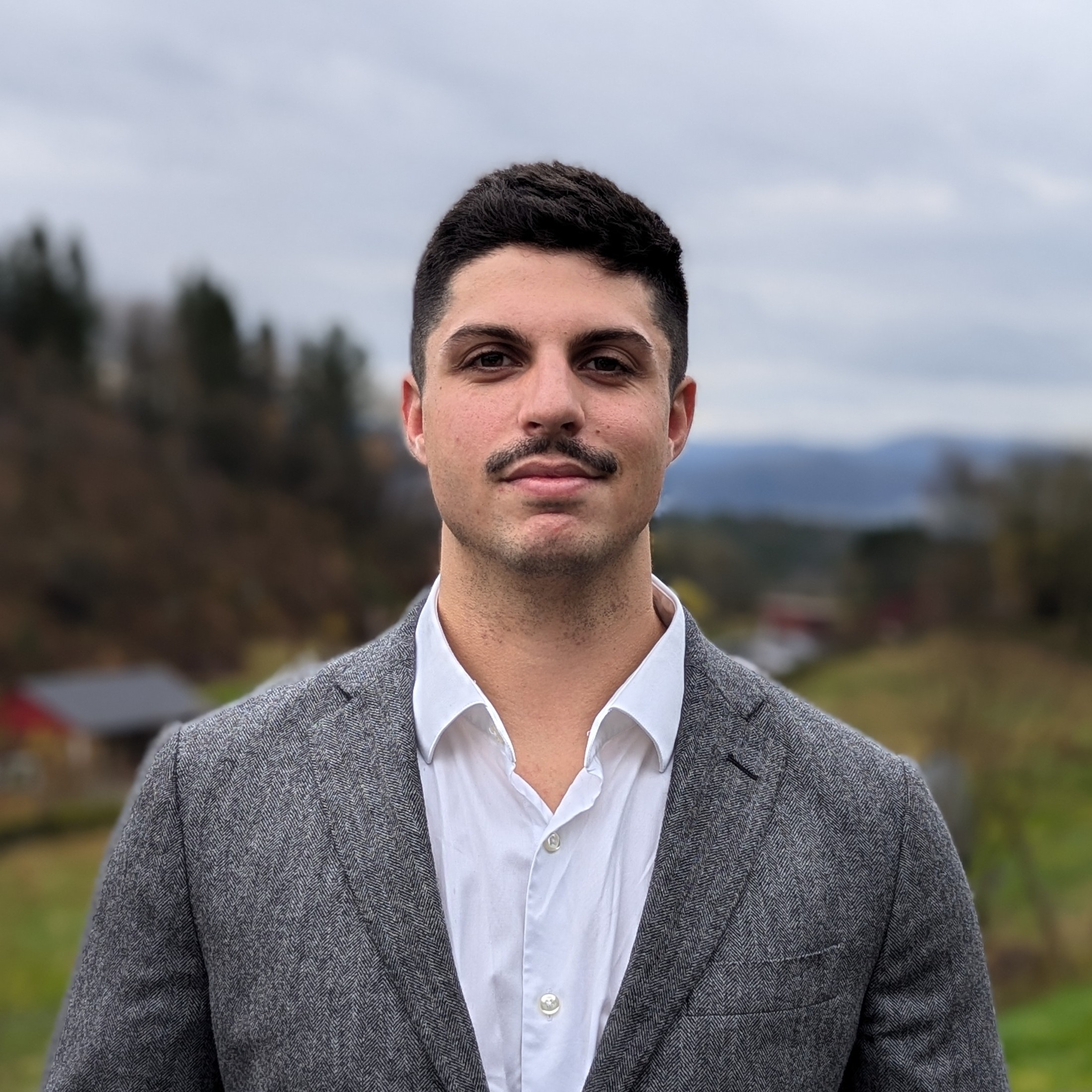
Presenter: Dr. Stefano Francesco Baronio - DVM, MSc
Date: March 11, 2026 Time: 02:00 PM UTC
CEPD credits are available for this event
This quiz is free for all members.
Already a WAVMA member?
Log in to your account
Not a WAVMA member?
Create a guest account to access this course
with more information about what it means to sign up as a WAVMA member.
More about this event
Synopsis:
Fish-borne zoonotic trematodes (FZT) are an often overlooked group of ichthyozoonotic parasites that use fish and other aquatic organisms as intermediate hosts. Humans and other vertebrates act as definitive hosts, and acquire the infection through the consumption of raw or undercooked infected fish. FZT comprise 59 species across four families and cause over 18 million infections annually, placing nearly one billion people at risk worldwide. These parasites are associated with severe clinical outcomes and occur in both wild fisheries and aquaculture. This presentation will address the biology and public health significance of each of the four families; later assessing treatment options and mitigation strategies within aquaculture.
Learning Objectives:
- Understand FZT biology and life cycles
- Recognize family-specific public health relevance
- Explore aquaculture management strategies
Speaker Bio:
Stefano Francesco Baronio is a veterinarian with a strong interest in parasitology, aquaculture, and aquatic animal health. He obtained his degree in Veterinary Medicine in 2024 from Universidad CEU Cardenal Herrera (Valencia, Spain) and, to further develop his expertise in aquatic systems, pursued an MSc in Aquatic Veterinary Studies at the University of Stirling (Scotland, UK), graduating in November 2025.
Throughout his academic training, Stefano actively sought opportunities to deepen both his theoretical knowledge and practical experience. During his undergraduate studies, he was a member of Servicio de Análisis, Investigación y Gestión de Animales Silvestres (SAIGAS) (2018–2019), a student association focused on parasitic pathogens affecting Spanish wildlife, which strengthened his understanding of parasite biology and host–parasite interactions in natural environments. He also served as President of the Acuicultura Club (Universidad CEU Cardenal Herrera, 2020–2024), where, together with hands-on experience in Italian freshwater and marine finfish aquaculture, he developed a solid foundation in aquaculture science, fish health, and production systems, ultimately shaping his commitment to a career in the field.
The work presented today is based on his MSc final project, entitled “Epidemiological survey of heterophyid trematode metacercariae in tissues of wild and farmed flathead grey mullets (Mugil cephalus) from Cabras Lagoon, Sardinia, Italy”. Conducted in collaboration with the International Marine Centre (IMC) (Oristano, Sardinia) and the Department of Veterinary Medical Sciences (DIMEVET) at the University of Bologna, the study compared heterophyid trematode metacercarial infections in wild mullet populations and a co-located, hatchery-bred, farm-reared cohort—an assessment not previously performed. The research provided valuable epidemiological insights for the region, confirming the absence of these flukes in intensive mullet aquaculture and reporting, for the first time in Italy, the presence of Ascocotyle (Phagicola) longa, a heterophyid species of significant public health relevance.
This project was recognized with the Faculty Research-Based Learning Prize for Outstanding Performance (Aquaculture) at the University of Stirling, and the results are currently being prepared for publication.