B-1089: Fish ER Medicine
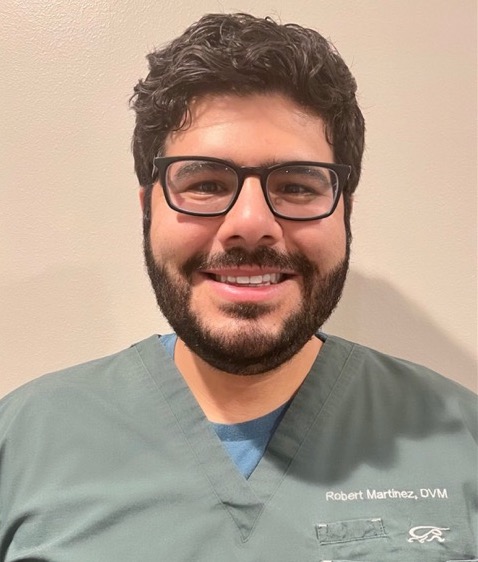
Presenter: Dr. Robert Martinez
Date: January 30, 2025 Time: 02:00 PM UTC
CEPD credits are available for this event
Costs for training: Free to full members, Free to student members, Non member/guest: $15
Already a WAVMA member?
Log in to your account
Not a WAVMA member?
Create a guest account to access this course
with more information about what it means to sign up as a WAVMA member.
More about this event
Synopsis:
Fish experience emergency medical issues just like our terrestrial species. How we identify and address these emergencies depends on the presentation of clinical signs, environment, examination/necropsies, and providing emergency care. The other aspect is how we as veterinarians handle the stress of these acute emergencies to provide the best care to our patients and clients. In the presentation, I want to guide you through a systematic work-up of true emergencies vs emergent cases. Also with my 10 years experience of in small animal emergency medicine, I want to share a strategy to help handle the stress and anxiety of these emergency cases.
Learning Objectives:
1. Learn how to provide resuscitative support
2. Learn how to identify and address these emergencies in fish patients.
3. Learn how to deal with stress and anxiety of emergencies
Speaker Bio:
Robert Martinez is a Certified Aquatic Veterinarian in the greater Salt Lake City area and a graduate of the College of Veterinary Medicine at Kansas State University. While at Kansas State Dr. Martinez developed a great interest in zoo, aquatic, and exotic medicine. While in Iowa, Dr. Martinez was the Aquatic Health Advisor for Central Campus Aquarium Science and Marine Biology program. He was also a part-time associate veterinarian at the Blank Park Zoo in Des Moines, Iowa. While in Oklahoma, Dr. Martinez worked with koi ponds and had the opportunity to help out a small local aquarium. Dr. Martinez has presented to multiple veterinary student classes and fish/aquatic enthusiasts about aquatic medicine. Through these experiences, he learned husbandry, water quality, disease, treatment, and disease prevention of aquatic species: ornamental fish, aquaculture fish, elasmobranchs (sharks and rays), invertebrates, marine mammals, aquatic reptiles, and aquatic birds. He is the 2025 President of the American Association of Fish Veterinarians. He is the leader of the Education Resources subcommittee of the Education and Student Committee of WAVMA.